
For someone preparing for Hajj or Umrah for the first time, the word Ihram can be confusing. It refers not only to the white garments commonly associated with male pilgrims, but also to the sacred state a pilgrim enters when beginning the pilgrimage rites.
Understanding this distinction makes Hajj or Umrah preparation much easier. From choosing suitable Ihram clothing to knowing when to make the intention, there are several practical details worth learning before the journey.
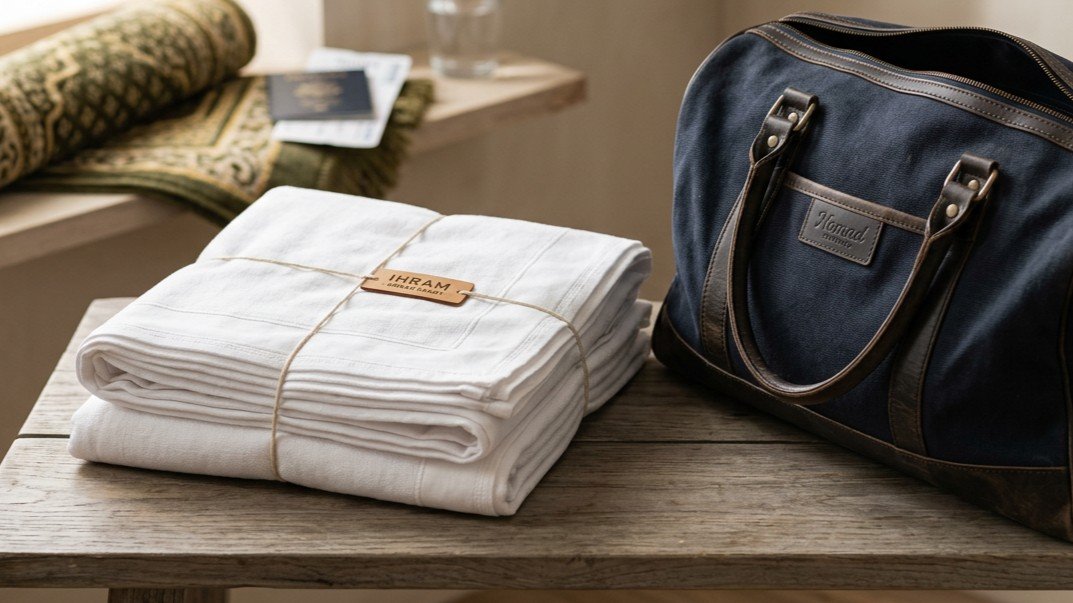
What Is Ihram?
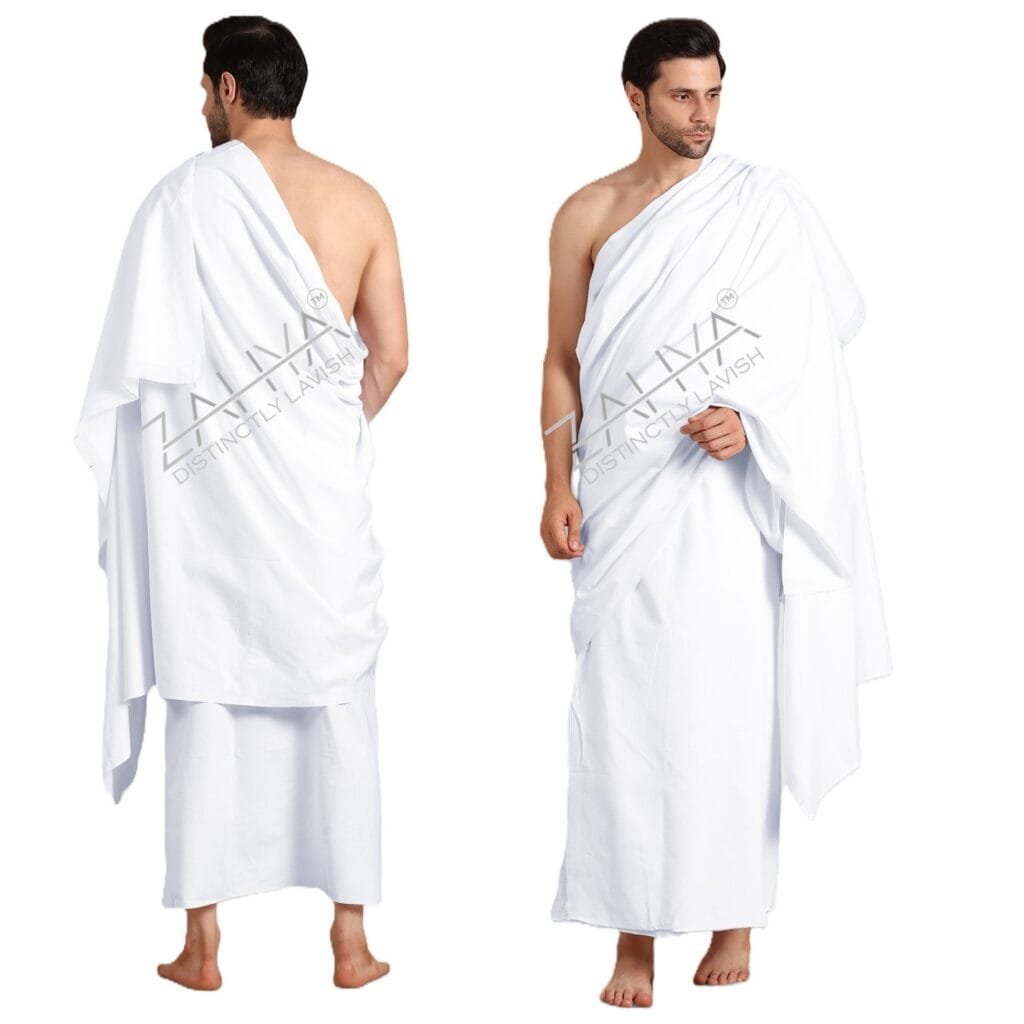
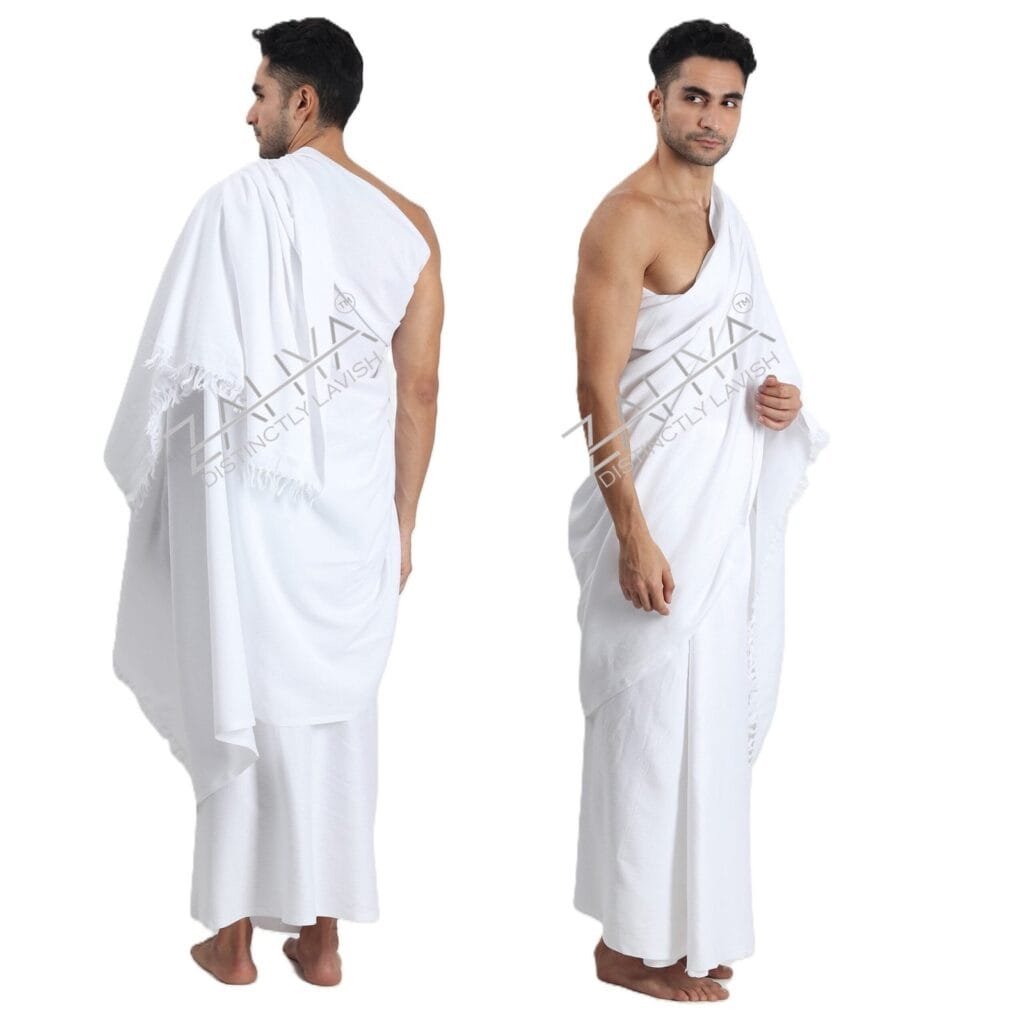
Ihram has two closely connected meanings: the state of ritual consecration entered for Hajj or Umrah, and the clothing worn by male pilgrims while in that state.
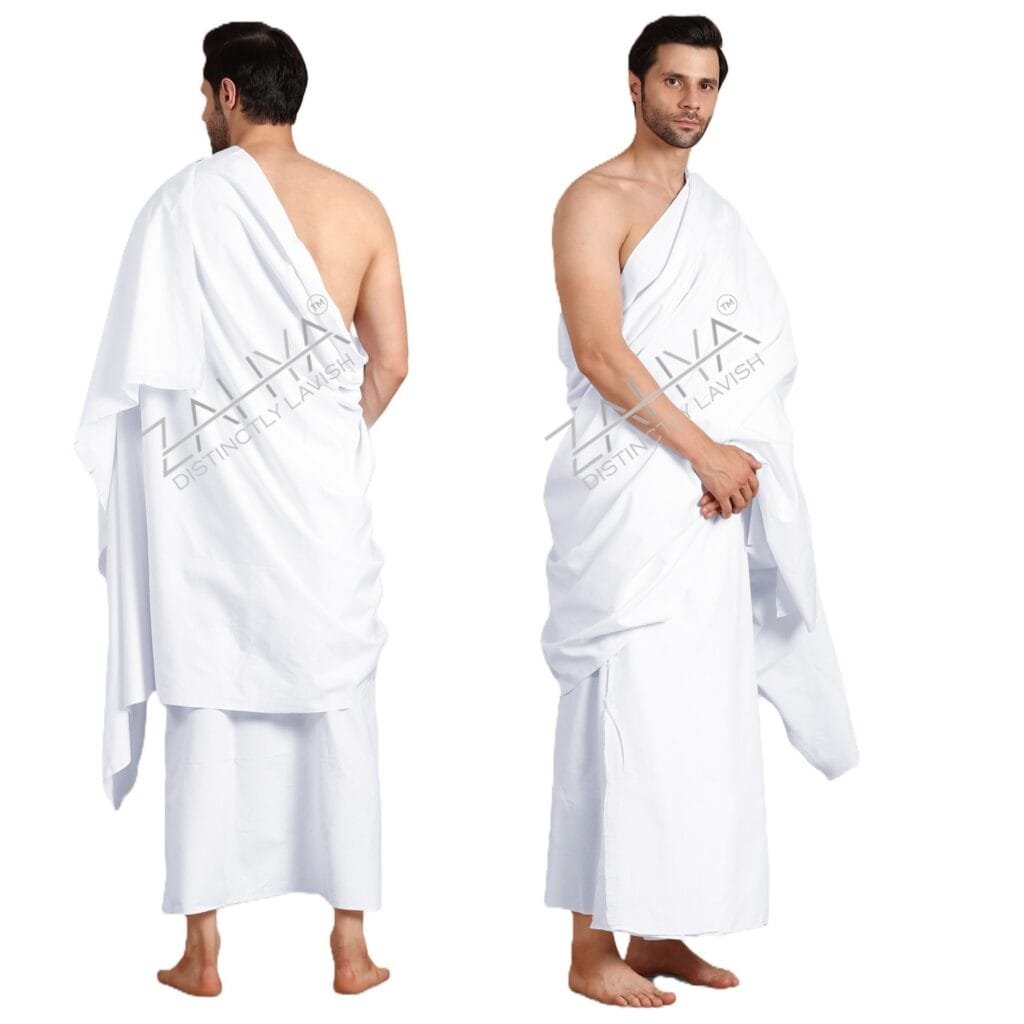
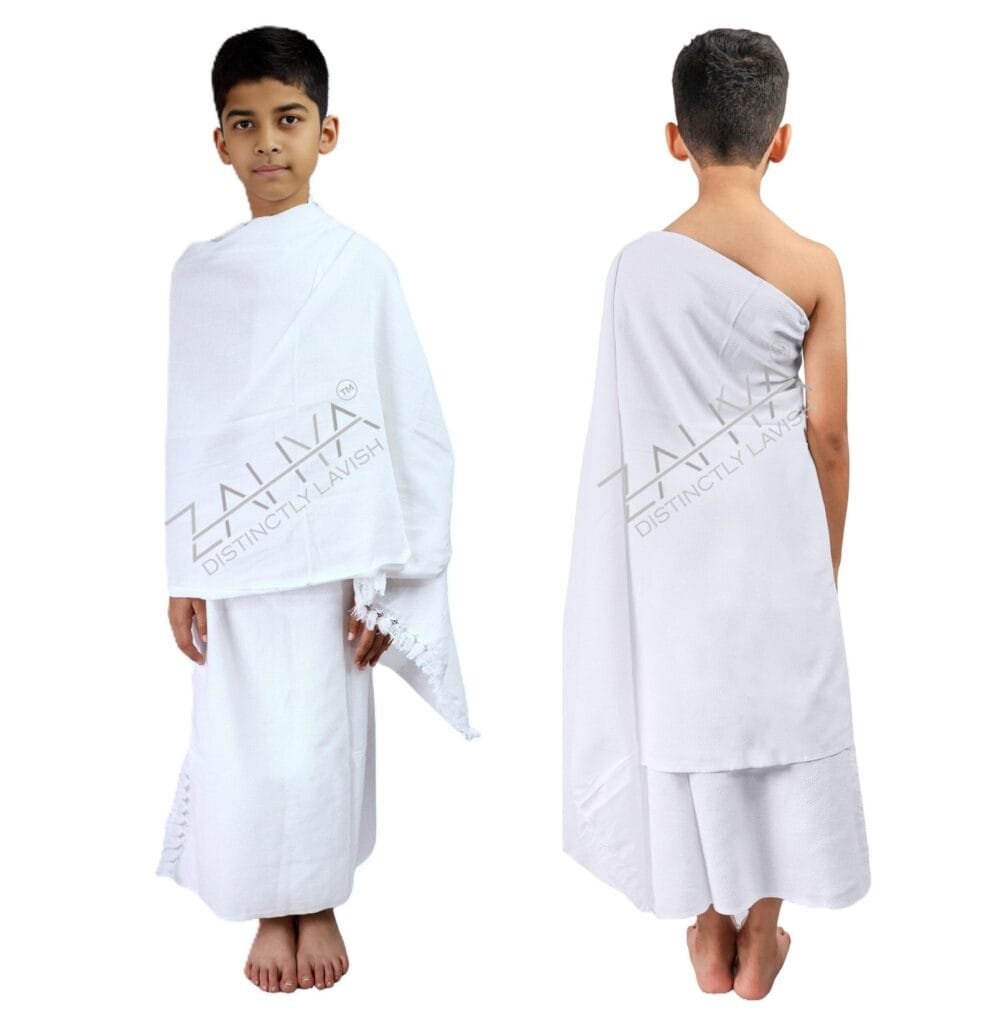
For men, Ihram clothing consists of two unstitched pieces of fabric: the izar, worn around the lower body, and the rida, worn over the upper body. Women do not have a specific Ihram garment and generally wear modest clothing that meets Islamic requirements.
The state of Ihram begins with the pilgrim’s intention for Hajj or Umrah and the associated rites. Therefore, simply putting on the two white cloths does not by itself mean that a person has entered the state of Ihram.
You may also encounter the spellings Ahram and Ehram. These are commonly used variations referring to Ihram.
When Do You Enter Ihram?
A key part of Ihram preparation is knowing the Miqat.
Miqat refers to designated boundary points associated with entering Ihram for those travelling toward Makkah to perform Hajj or Umrah. The appropriate Miqat depends on the pilgrim’s route and circumstances.
For air travellers, the practical preparation is usually to wear the Ihram garments before reaching the relevant Miqat and make the intention at the appropriate point. Official Saudi guidance provides specific instructions for pilgrims travelling by different routes.
First-time pilgrims should therefore confirm their route and Miqat arrangements with their authorised Hajj or Umrah operator rather than relying solely on general advice.
What Should Men Wear for Ihram?
The basic requirement is simple: two unstitched pieces of cloth.
However, comfort and fabric quality matter, especially because the garments may be worn for extended periods in a hot and physically demanding environment.
When choosing an Ihram, consider:
- Fabric: Cotton, bamboo and other suitable textile constructions can offer different comfort characteristics.
- Absorbency: Useful for managing perspiration during walking and outdoor activities.
- Breathability: Important in warm conditions.
- Weight: A lighter fabric can be easier to carry and wear.
- Weave: Terry, honeycomb, plain, diamond and other weaves can create noticeably different textures and handling.
- Size: The cloth should provide adequate coverage without being unnecessarily difficult to manage.
A good Ihram is therefore not simply about appearance. The fabric, construction and fit can influence the practical experience of the journey.
What Happens After Entering Ihram?
Once a pilgrim enters the state of Ihram, certain restrictions apply. These include restrictions concerning activities such as cutting hair or nails, sexual activity and the use of certain scented products. The details can vary according to the specific situation and religious guidance.
This is why first-time pilgrims should learn the relevant Ihram rules before travelling.
Ihram is ultimately about more than clothing. It marks the beginning of a sacred part of the pilgrimage and encourages a mindset of devotion, humility and focus.
How Should First-Time Pilgrims Prepare?
A practical preparation checklist can make the experience considerably easier:
- Learn the basic Ihram rules before travelling.
- Understand your Miqat based on your travel route.
- Choose comfortable Ihram clothing suitable for the expected conditions.
- Carry an additional Ihram set where practical. Saudi Ministry guidance also recommends an additional set for Umrah preparation.
- Practise handling the Ihram cloth before the journey so you are comfortable wearing and securing it.
- Keep personal-care products suitable for Ihram, particularly with regard to fragrance.
- Follow current official guidance and the instructions provided by your authorised pilgrimage operator.
What Should You Look for in an Ihram?
For most first-time pilgrims, the priority should be comfort, practicality and ease of use rather than simply choosing the thickest or most traditional-looking fabric.
If you expect significant walking or warm weather, a lightweight, breathable and absorbent fabric may be preferable. If durability and a familiar cotton feel are more important, a suitable cotton Ihram may be the better choice.
There is no single fabric that is automatically right for every pilgrim. The best choice depends on personal preference, climate, duration of use and the characteristics of the fabric.
ZAHYA Recommendation
For pilgrims comparing different Ihram fabrics, ZAHYA offers options designed around different preferences, including Bamboo Ihram, Terry Cotton, Cooltex, Honeycomb, Diamond Weave and Plain Weave.
If lightweight handling, breathability and moisture management are important considerations, a Bamboo Ihram can be one option worth exploring. Those who prefer conventional cotton construction can consider a Terry Cotton Ihram instead.
You can explore ZAHYA’s range of Ihram for men for Hajj and Umrah to compare the available fabric and weave options.
Conclusion
Ihram is both a sacred state and, in common usage, the clothing associated with entering that state. For first-time pilgrims, understanding the difference between the two, preparing for the Miqat and choosing comfortable Ihram clothing can make the practical side of Hajj or Umrah preparation much easier.
The most important step is to prepare in advance, understand the relevant guidance and choose an Ihram that suits your needs and journey.
Recommended products
Bamboo Ihram for Hajj & Umrah – Ultra-Soft & Odor-Free
Original price was: ₹3,499.00.₹2,699.00Current price is: ₹2,699.00.Cooltex Cotton Ihram for Men – Hajj & Umrah
Original price was: ₹2,499.00.₹999.00Current price is: ₹999.00.Plain Weave Cotton Ihram for Men – Hajj & Umrah
Original price was: ₹2,499.00.₹1,399.00Current price is: ₹1,399.00.Cooltex Cotton Ihram for Kids (9-12 Yrs) – Hajj & Umrah
Original price was: ₹999.00.₹675.00Current price is: ₹675.00.